Vocational Synthesis
Kenrick School of Theology
A seminarian’s suitability for Holy Orders is determined at the end of the Configuration Stage. Following this, he enters a period of integration and transition. This stage involves a man’s ordination to the transitional diaconate as he begins to step away from formal academic responsibilities into more direct service of the People of God and the care of souls. This period of the transitional diaconate allows a man to become more familiar with the rhythm of parish life, rectory living, and public responsibility before assuming the full duties of the priesthood.
As this period is designed to be a synthesis, it should not be reduced to “on-the-job training,” but instead, is seen to be a culmination of all the components of seminary formation, leading to a harmonious expression of one’s vocation. In this, a transitional deacon should become more integrated in the clerical life of his diocese and receive the support of the pastor with whom he lives and works, who should determine in union with the local Bishop that nothing stands in the way of the deacon continuing toward priestly ordination.
-
“The personality of the transitional deacon is to be a bridge, not an obstacle to pastoral ministry, such that he can relate to and accompany the many diverse peoples living in various states of life and different cultures” (PPF 6, no. 200).
By the time a man is ordained to the transitional diaconate, his human foundation must be well established. Evidence of a humanity integrated into his spiritual, intellectual, and pastoral practices must be demonstrated as the man prepares to make the transition into lifelong priestly service.
Components of Human Formation in the Vocational Synthesis stage include:
Community Living
Formation Meetings
Counseling and Groupwork
The Formation Agreement
Fraternity Days
Jesu Caritas Groups
Formation Conferences
Leadership and Mentoring
House Jobs
-
Spiritual Formation in the Vocational Synthesis stage is marked by a continued pursuit of personal holiness and demonstration of “the ability to integrate into his own internal spiritual and prayer life his pastoral experiences and the people to whom he ministers” (PPF 6, no. 243).
Components of Spiritual Formation in the Vocational Synthesis Stage include:
Spiritual Direction
Days of Recollection
Annual Silent Directed Retreat
Annual Pilgrimage
Lectio Divina
Marian Devotion
Parish Assignments
Saturday Mass
Other Devotional Practices
-
As the transitional deacon prepares for lifelong service to the Church, intellectual formation in the Vocational Synthesis stage “shifts to focus on ministerial application” (PPF 6, no. 293).
By the end of the Vocational Synthesis stage, a man’s commitment to continued intellectual growth must be demonstrated by a habit of personal study.
-
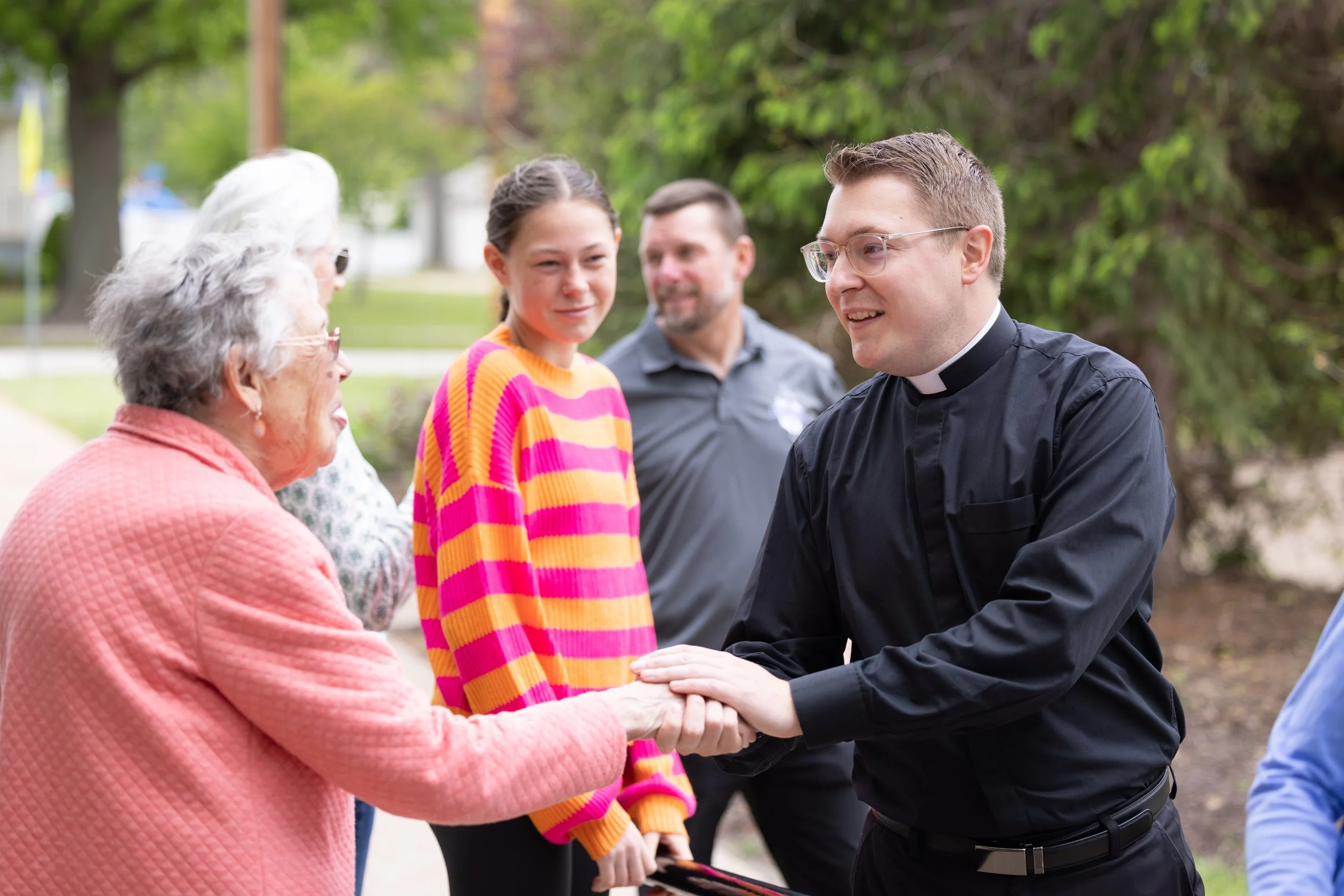
The integration of all four dimensions of formation, human, spiritual, intellectual, and pastoral, culminates in the seminarian’s capacity to lead the people of God in the pastoral setting. As much of the pastoral formation in the vocational synthesis stage takes place in a man’s role as a transitional deacon of his parish, he must demonstrate his capacity for “an evangelical style of listening.” The transitional deacon must possess “The gaze of the Good Shepherd, who seeks out, walks alongside and leads his sheep” (Ratio Fundamentalis, no. 120).
Features of the Pastoral dimension of the Configuration Stage include:
Sacramental Parish Ministry
Theological Discernments
Homiletics
Confession Practicum
Mass Practicum
Regular consultation with the Director of Pastoral Education
Formal evaluation by the pastor-supervisor